
Business
Apr 27, 2025
Building a Resilient Business Model in Uncertain Times
Building a Resilient Business Model in Uncertain Times
Learn strategies to develop a business model that withstands economic uncertainties and market fluctuations.
Learn strategies to develop a business model that withstands economic uncertainties and market fluctuations.
Building a Resilient Business Model in Uncertain Times
Uncertainty isn’t new. But the speed at which markets shift today has made it far more difficult to rely on static plans.
What worked yesterday may not work tomorrow.
And businesses that depend on predictability are the ones that struggle the most.
Resilience, today, is not about stability.
It’s about adaptability.
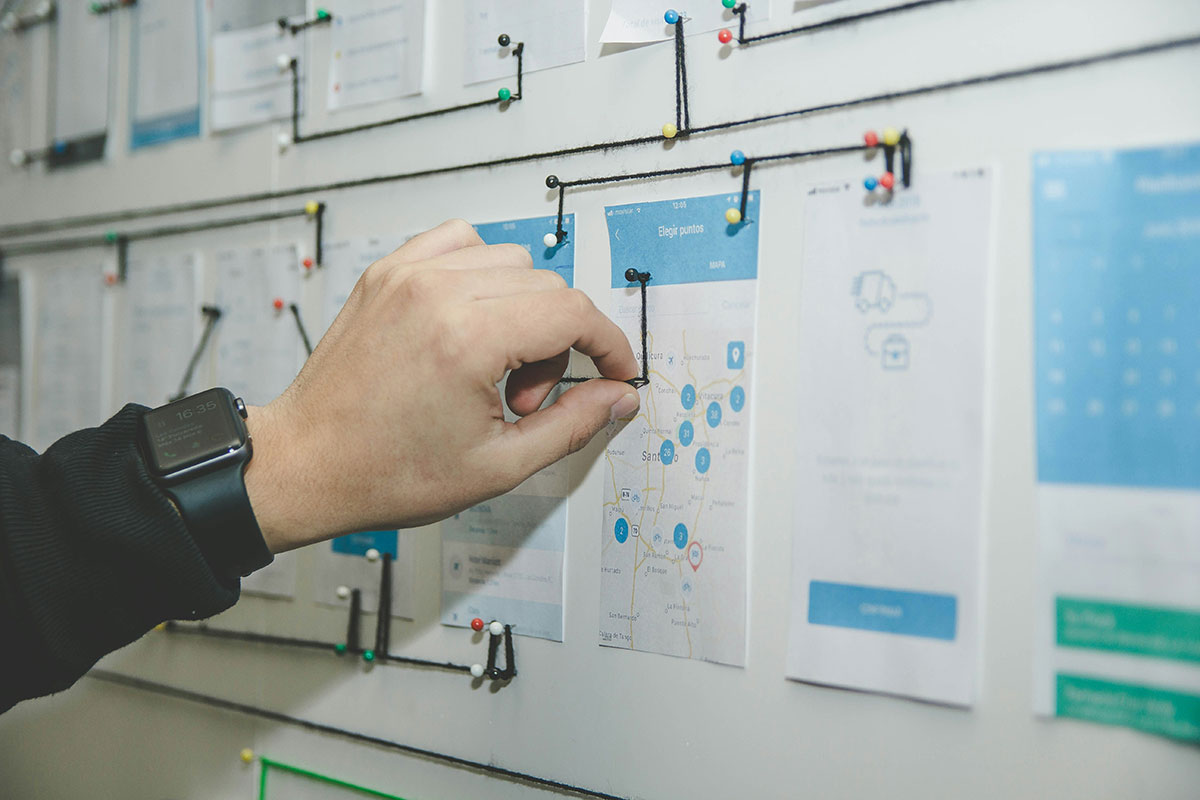
From Fixed Plans to Flexible Systems
Traditional business models were built for consistency — defined processes, long-term plans, and gradual change.
But in uncertain environments, rigidity becomes a risk.
Resilient businesses operate differently.
They build systems that allow them to:
Adjust quickly
Respond to real-time data
Shift direction without starting from scratch
It’s not about having the perfect plan.
It’s about being able to change the plan without disruption.
Diversification Beyond Revenue
Many businesses think of diversification only in terms of revenue streams.
But true resilience goes deeper:
Channels: Not relying on a single platform or source of traffic
Audience: Expanding beyond one customer segment
Offerings: Adapting products/services based on demand shifts
When one area slows down, another sustains momentum.
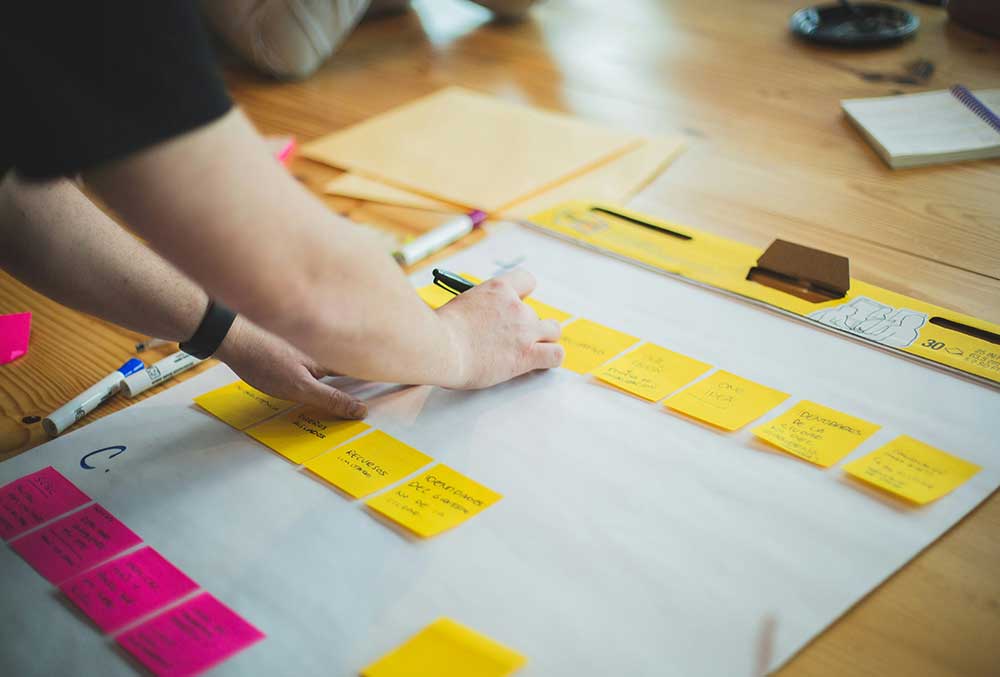

Cash Flow Over Vanity Growth
In uncertain times, growth without control becomes dangerous.
Resilient businesses prioritize:
Predictable cash flow
Sustainable margins
Measured expansion
Instead of chasing scale blindly, they focus on staying operational, stable, and ready to scale when the timing is right.
Digital as a Core, Not a Layer
Digital is no longer an extension of business — it is the business.
From discovery to conversion, most customer journeys now begin online.
Brands that treat digital as secondary struggle to keep up.
Resilient models integrate digital deeply into:
Customer acquisition
Brand building
Sales and retention
Decision-Making Backed by Data
In uncertain environments, assumptions are costly.
Resilient businesses rely on:
Real-time performance data
Customer behavior insights
Continuous testing and optimization
This reduces risk and enables faster, more confident decisions.
The Role of Brand in Uncertainty
When markets are volatile, customers look for familiarity and trust.
A strong brand becomes a stabilizing factor.
It ensures that:
Customers remember you
Customers return to you
Customers trust you
In uncertain times, brand is not optional.
It is an asset that compounds.
The Real Advantage
Resilience is not about avoiding uncertainty.
It’s about being built for it.
Businesses that succeed are not the ones with the most resources — but the ones with the most adaptable systems, the clearest positioning, and the ability to move fast without losing direction.
Conclusion
Uncertainty will continue to be a constant.
The question is not how to eliminate it — but how to operate within it.
Because in the end,
the businesses that endure are the ones designed not just to grow in stability —
but to thrive in change.
Stay Inspired
Get fresh design insights, articles, and resources delivered straight to your inbox.
Latest Blogs



Stay Inspired
Get fresh design insights, articles, and resources delivered straight to your inbox.

Business
Apr 27, 2025
Building a Resilient Business Model in Uncertain Times
Building a Resilient Business Model in Uncertain Times
Learn strategies to develop a business model that withstands economic uncertainties and market fluctuations.
Learn strategies to develop a business model that withstands economic uncertainties and market fluctuations.
Building a Resilient Business Model in Uncertain Times
Uncertainty isn’t new. But the speed at which markets shift today has made it far more difficult to rely on static plans.
What worked yesterday may not work tomorrow.
And businesses that depend on predictability are the ones that struggle the most.
Resilience, today, is not about stability.
It’s about adaptability.
From Fixed Plans to Flexible Systems
Traditional business models were built for consistency — defined processes, long-term plans, and gradual change.
But in uncertain environments, rigidity becomes a risk.
Resilient businesses operate differently.
They build systems that allow them to:
Adjust quickly
Respond to real-time data
Shift direction without starting from scratch
It’s not about having the perfect plan.
It’s about being able to change the plan without disruption.
Diversification Beyond Revenue
Many businesses think of diversification only in terms of revenue streams.
But true resilience goes deeper:
Channels: Not relying on a single platform or source of traffic
Audience: Expanding beyond one customer segment
Offerings: Adapting products/services based on demand shifts
When one area slows down, another sustains momentum.
Cash Flow Over Vanity Growth
In uncertain times, growth without control becomes dangerous.
Resilient businesses prioritize:
Predictable cash flow
Sustainable margins
Measured expansion
Instead of chasing scale blindly, they focus on staying operational, stable, and ready to scale when the timing is right.
Digital as a Core, Not a Layer
Digital is no longer an extension of business — it is the business.
From discovery to conversion, most customer journeys now begin online.
Brands that treat digital as secondary struggle to keep up.
Resilient models integrate digital deeply into:
Customer acquisition
Brand building
Sales and retention
Decision-Making Backed by Data
In uncertain environments, assumptions are costly.
Resilient businesses rely on:
Real-time performance data
Customer behavior insights
Continuous testing and optimization
This reduces risk and enables faster, more confident decisions.
The Role of Brand in Uncertainty
When markets are volatile, customers look for familiarity and trust.
A strong brand becomes a stabilizing factor.
It ensures that:
Customers remember you
Customers return to you
Customers trust you
In uncertain times, brand is not optional.
It is an asset that compounds.
The Real Advantage
Resilience is not about avoiding uncertainty.
It’s about being built for it.
Businesses that succeed are not the ones with the most resources — but the ones with the most adaptable systems, the clearest positioning, and the ability to move fast without losing direction.
Conclusion
Uncertainty will continue to be a constant.
The question is not how to eliminate it — but how to operate within it.
Because in the end,
the businesses that endure are the ones designed not just to grow in stability —
but to thrive in change.
Stay Inspired
Get fresh design insights, articles, and resources delivered straight to your inbox.
Latest Blogs
Stay Inspired
Get fresh design insights, articles, and resources delivered straight to your inbox.
Business
Apr 27, 2025
Building a Resilient Business Model in Uncertain Times
Building a Resilient Business Model in Uncertain Times
Learn strategies to develop a business model that withstands economic uncertainties and market fluctuations.
Learn strategies to develop a business model that withstands economic uncertainties and market fluctuations.
Building a Resilient Business Model in Uncertain Times
Uncertainty isn’t new. But the speed at which markets shift today has made it far more difficult to rely on static plans.
What worked yesterday may not work tomorrow.
And businesses that depend on predictability are the ones that struggle the most.
Resilience, today, is not about stability.
It’s about adaptability.
From Fixed Plans to Flexible Systems
Traditional business models were built for consistency — defined processes, long-term plans, and gradual change.
But in uncertain environments, rigidity becomes a risk.
Resilient businesses operate differently.
They build systems that allow them to:
Adjust quickly
Respond to real-time data
Shift direction without starting from scratch
It’s not about having the perfect plan.
It’s about being able to change the plan without disruption.
Diversification Beyond Revenue
Many businesses think of diversification only in terms of revenue streams.
But true resilience goes deeper:
Channels: Not relying on a single platform or source of traffic
Audience: Expanding beyond one customer segment
Offerings: Adapting products/services based on demand shifts
When one area slows down, another sustains momentum.
Cash Flow Over Vanity Growth
In uncertain times, growth without control becomes dangerous.
Resilient businesses prioritize:
Predictable cash flow
Sustainable margins
Measured expansion
Instead of chasing scale blindly, they focus on staying operational, stable, and ready to scale when the timing is right.
Digital as a Core, Not a Layer
Digital is no longer an extension of business — it is the business.
From discovery to conversion, most customer journeys now begin online.
Brands that treat digital as secondary struggle to keep up.
Resilient models integrate digital deeply into:
Customer acquisition
Brand building
Sales and retention
Decision-Making Backed by Data
In uncertain environments, assumptions are costly.
Resilient businesses rely on:
Real-time performance data
Customer behavior insights
Continuous testing and optimization
This reduces risk and enables faster, more confident decisions.
The Role of Brand in Uncertainty
When markets are volatile, customers look for familiarity and trust.
A strong brand becomes a stabilizing factor.
It ensures that:
Customers remember you
Customers return to you
Customers trust you
In uncertain times, brand is not optional.
It is an asset that compounds.
The Real Advantage
Resilience is not about avoiding uncertainty.
It’s about being built for it.
Businesses that succeed are not the ones with the most resources — but the ones with the most adaptable systems, the clearest positioning, and the ability to move fast without losing direction.
Conclusion
Uncertainty will continue to be a constant.
The question is not how to eliminate it — but how to operate within it.
Because in the end,
the businesses that endure are the ones designed not just to grow in stability —
but to thrive in change.
Stay Inspired
Get fresh design insights, articles, and resources delivered straight to your inbox.
Latest Blogs
Stay Inspired
Get fresh design insights, articles, and resources delivered straight to your inbox.